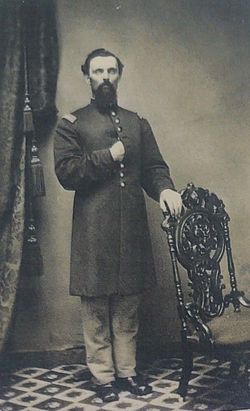
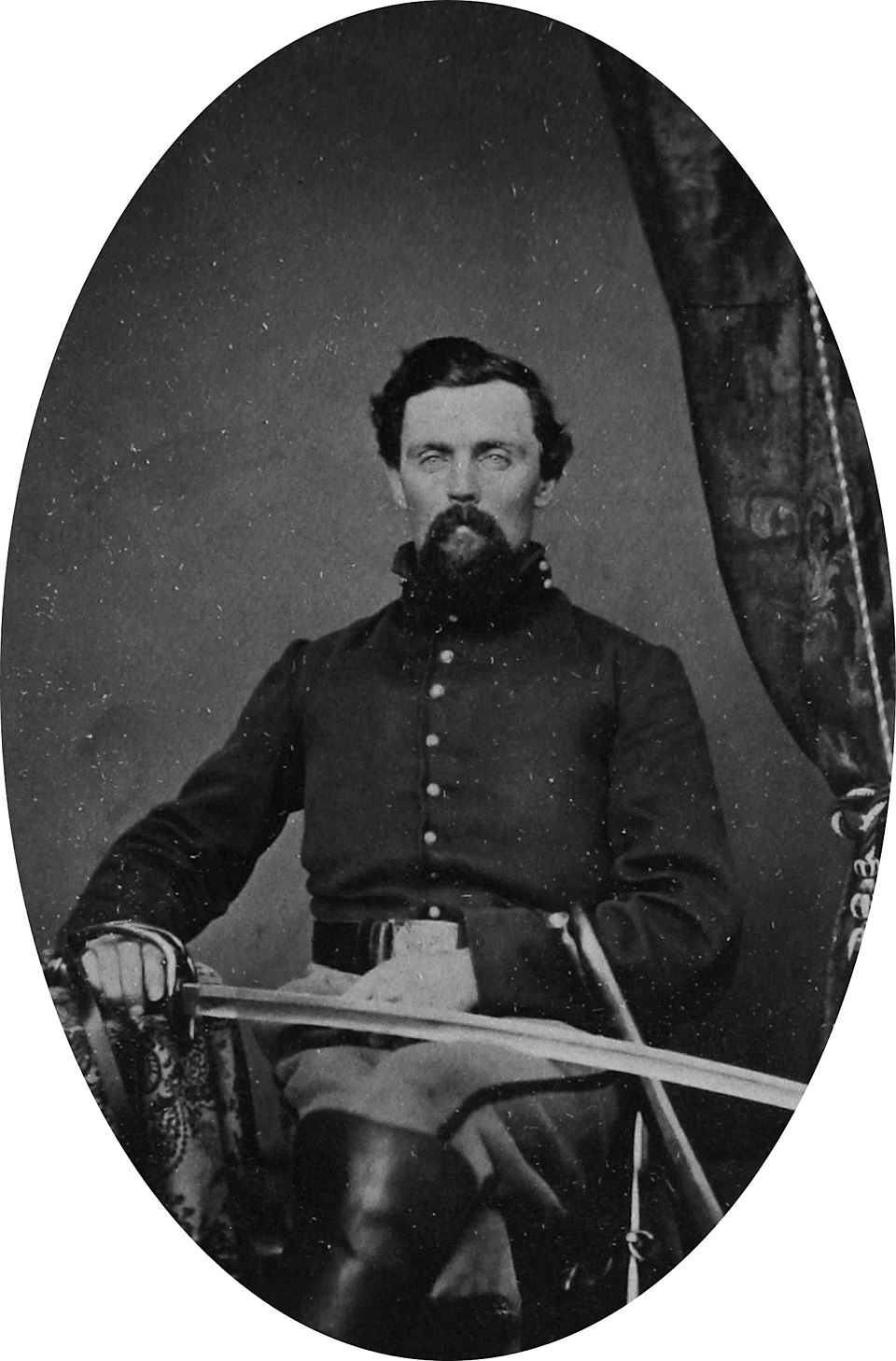
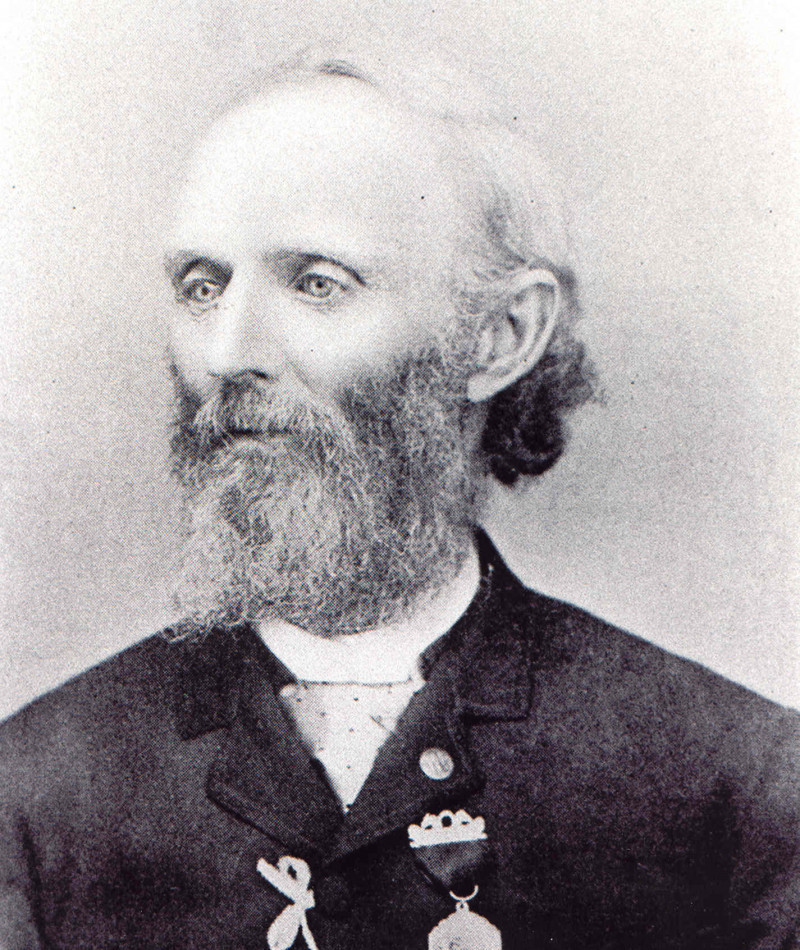
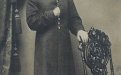
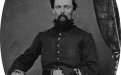
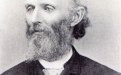
Born in Perrysburg in the late summer of 1834, a time when the town was still young and the frontier edge of Western New York had not yet settled into the quiet rhythm it would later know. He grew up in a community shaped by hard work, close ties, and the lingering memory of earlier wars that had carved out the region. When the Civil War erupted in 1861, he answered the call without hesitation and enlisted in the 10th New York Cavalry, a regiment known as the Porter Guard. He began his service as a bugler, one of the youngest and lowest positions in a cavalry regiment, but his discipline, steadiness, and natural leadership quickly pushed him upward. Over the next three years he rose through the ranks until he became Sergeant Major, the highest enlisted position in the regiment and a role that demanded both courage and absolute trust from the men who served beside him.
By June of 1864, Farnsworth and the 10th New York Cavalry were deep in the Overland Campaign, fighting in some of the most intense cavalry actions of the war. On June eleventh, during the Battle of Trevilian Station in Virginia, the regiment found itself in a chaotic and deadly situation. A Union artillery battery, confused by the smoke and movement of the battlefield, began firing directly into Farnsworth’s own regiment. The shells tore through the line, and the danger grew with every passing moment. In the midst of this confusion, Farnsworth volunteered to carry a message to the battery to stop the fire. To reach them he had to cross an open ridge fully exposed to both Union and Confederate guns. The ground he crossed was swept by musket fire, artillery bursts, and the unpredictable violence of two armies locked in close combat. Yet he rode straight through it, reached the battery, and delivered the message that saved his regiment from further friendly fire.
The act was simple in description but extraordinary in execution. It required a level of calm under pressure that few soldiers possessed, and it demonstrated a willingness to risk everything for the safety of others. His bravery was remembered long after the smoke cleared. In 1898, more than three decades after the battle, the United States formally recognized his heroism with the Medal of Honor. By then he had already completed his service, having been commissioned as a first lieutenant in 1864 and later reaching the rank of captain. He had returned to civilian life, carrying with him the quiet dignity of a man who had done his duty without seeking reward.
Farnsworth eventually moved west, part of the great migration that carried many Civil War veterans toward new beginnings. He died on July fourth, 1908, in Clarkston, Washington, a fitting date for a man whose life had been defined by service to his country. He was laid to rest in Pomeroy City Cemetery, far from the small town in Cattaraugus County where his story began. Yet Perrysburg remains the place that shaped him, the place that gave the nation one of its most distinguished soldiers. His Medal of Honor citation stands as a permanent reminder of the moment when a man from a quiet New York town rode alone across a deadly ridge and changed the fate of his regiment through sheer courage.
Research by Steve Stockwell, Perrysburg Historian / Forgotten WNY
Citations:
•Congressional Medal of Honor Society Herbert E Farnsworth | U.S. Civil War | U.S. Army | Medal of Honor Recipient
•Perrysburg Historical documentation
•Find a Grave CPT Herbert E. Farnsworth (1834-1908) - Find a Grave Memorial